
Understanding Cancer: Causes, Types, and Prevention

What Is Cancer?
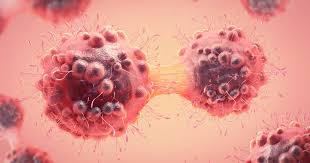
Cancer is a group of diseases in which abnormal cells grow and divide in an uncontrolled way. In a healthy body, cells grow, divide, and die in an organized process. Cancer develops when this process breaks down, allowing damaged cells to multiply and sometimes spread to other parts of the body.
Cancer can affect people of all ages and can start in almost any part of the body. While it is a serious condition, many forms of cancer can be treated, and early detection greatly improves outcomes.
How Cancer Develops
Cancer begins when changes (called mutations) occur in a cell’s DNA. These changes can be caused by many factors, including:
- Genetic inheritance
- Exposure to harmful substances (such as tobacco smoke)
- Radiation
- Certain infections
- Lifestyle factors like poor diet or lack of physical activity
Not everyone exposed to these factors will develop cancer, and sometimes cancer occurs without a clear cause.
Common Types of Cancer
There are more than 100 types of cancer. Some of the most common include:
- Breast cancer – develops in breast tissue
- Lung cancer – often linked to smoking and air pollution
- Skin cancer – related to excessive exposure to ultraviolet (UV) rays
- Colon cancer – affects the digestive system
- Leukemia – a cancer of the blood and bone marrow
Each type of cancer behaves differently and requires specific methods of diagnosis and treatment.
Symptoms and Detection
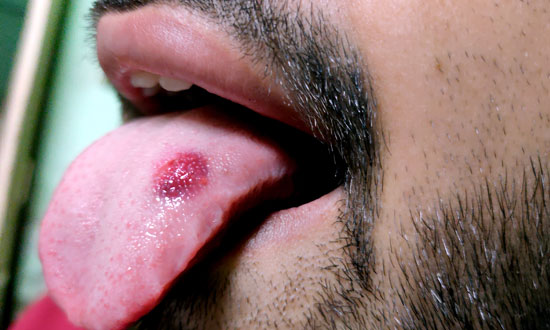
Cancer symptoms vary depending on the type and location, but common warning signs may include:
- Unusual lumps or swelling
- Ongoing fatigue
- Unexplained weight loss
- Changes in skin or appearance of moles
- Persistent pain or discomfort
Regular health checkups and screenings can help detect cancer early, often before symptoms appear.
Treatment Options
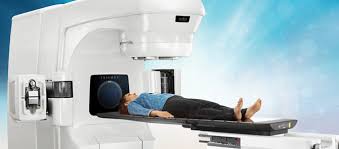
Cancer treatment depends on the type and stage of the disease. Common treatment methods include:
- Surgery – removing cancerous tissue
- Chemotherapy – using medicines to destroy cancer cells
- Radiation therapy – using high-energy rays to target cancer
- Immunotherapy – helping the immune system fight cancer
Many people receive a combination of treatments, and medical advances continue to improve effectiveness and reduce side effects.
Prevention and Healthy Choices
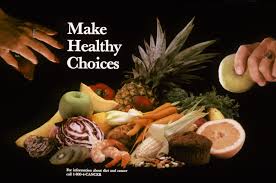
While not all cancers can be prevented, the risk can be reduced by:
- Avoiding tobacco products
- Eating a balanced, nutritious diet
- Staying physically active
- Protecting skin from excessive sun exposure
- Getting recommended vaccines and screenings
Healthy habits play an important role in long-term well-being.
Conclusion
Cancer is a complex disease, but understanding it is an important step toward prevention, early detection, and effective treatment. Ongoing research, awareness, and healthy lifestyle choices continue to improve the lives of millions of people worldwide.